Business wants it fast.
Design wants it right.
Great products need both.
OutSight brings outside design leadership to consumer brands that make physical products. We partner with Product leaders to align design and the business, so what reaches the market serves the consumer, expresses the brand, and still hits cost and timing.
Simply put: we bring three decades of experience to help design, marketing and product leaders find and fix what’s broken between design and the business.
You Probably Have a Hunch…
You may have more of a feeling than a fully diagnosed problem. A few patterns usually mean it’s time for an outside perspective:
Millions have been committed but confidence is low.
New products keep launching while he brand gets less coherent.
Every product seemingly starts from scratch.
Cost wins. Customer experience loses.
Design takes orders instead of shaping decisions.
The team feels unheard: and performance starts showing it.
Rarely is it just one. When several show up together, it usually means nobody owns the space between design and the business. That's our space.
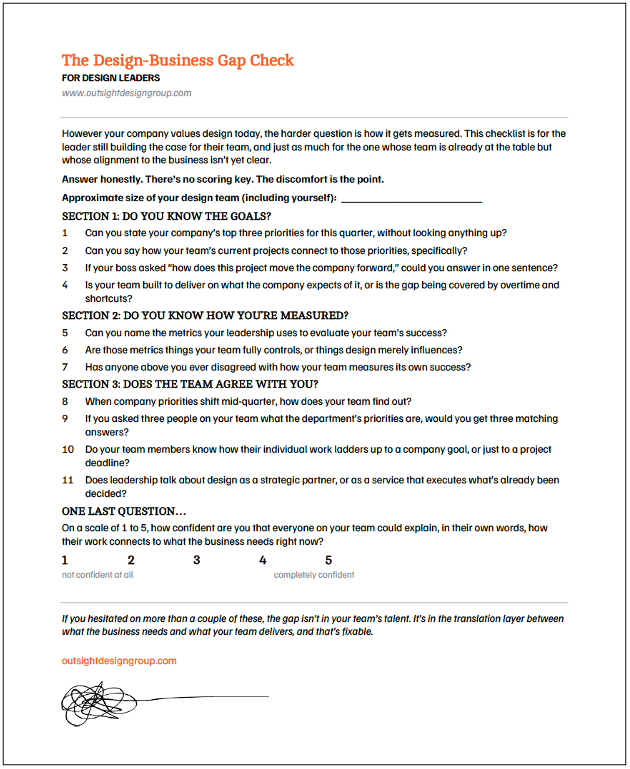
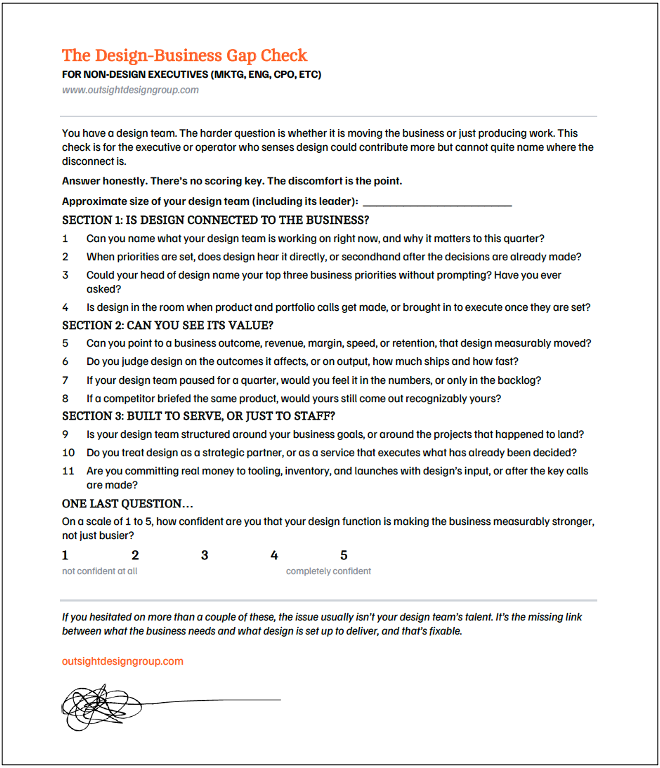
Recognize your team in more than one of these? Here’s our free Gap Check PDF:

Start with an OutSight Review:
Most clients don't start with a perfectly diagnosed problem. They know something isn't working. The portfolio is drifting. Development keeps starting from scratch. The brand isn't showing up in the product. Design and the business aren't on the same page.
That's enough to start.
Bring us one real problem. We'll review what you already have, talk to a few of the people closest to it, and give you an outside read on what's actually broken, why it matters, and what to do next.
Two weeks. One problem. One clear recommendation.
Sometimes that's the whole engagement. More often, it shows you the bigger work worth doing.

How It Works:
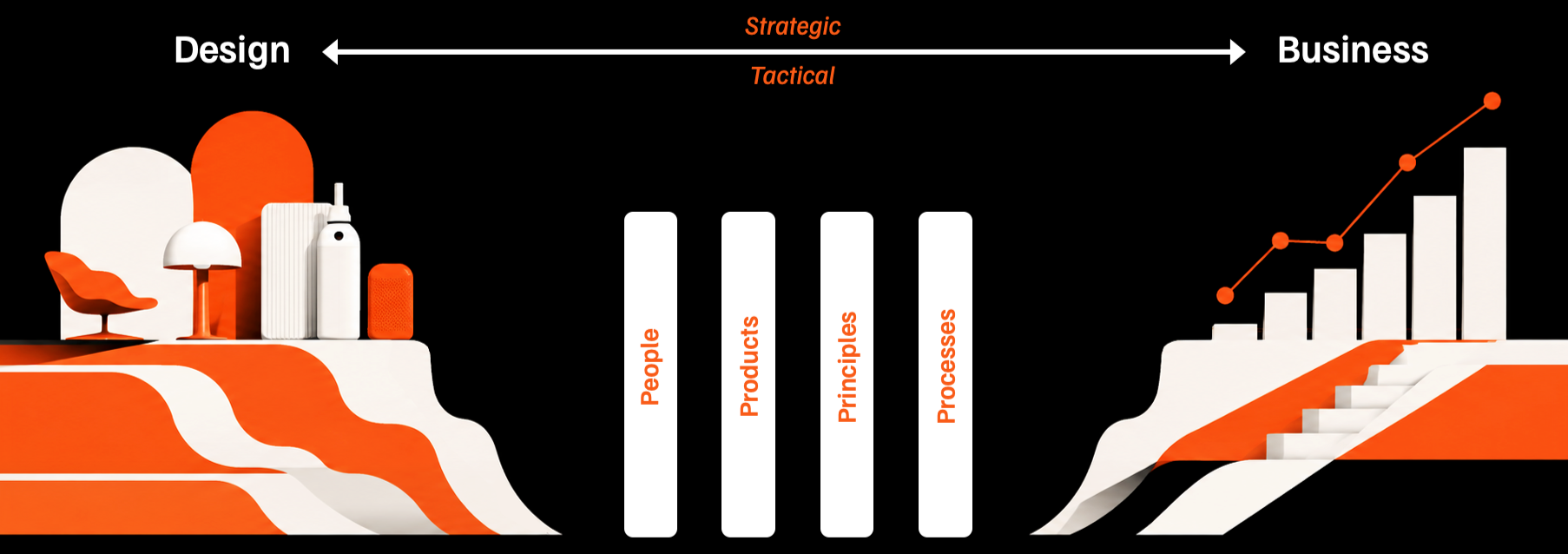
Companies that sell physical products need two things at once: an innovation pipeline that builds real brand value, and the discipline to execute it without bleeding cost and time. Those goals usually sit on opposite sides of the org chart, and design lives in between, answerable to both without fully belonging to either. Left alone, that gap lets the pipeline drift from the brand, or lets speed and cost quietly erode what made the brand worth building. That's the gap we close.
We cross it 2 ways. Strategically, by setting direction: the portfolio, the design language, the way the function is built. Tactically, by fixing the daily reality: the briefs, the reviews, the decisions, the handoffs. Most engagements use both, and every one is scoped around what the work actually requires.
Lastly, we diagnose and correct through 4 lenses. They're the tools, not a menu to shop from: your team, your portfolio, your standards, your process. We use whichever the situation calls for, usually more than one.
Nobody owns the space between design and the business. We do.

What We Fix:
Companies lose value when brand promise, product reality, team capability, and process discipline drift apart. Every engagement addresses one or more of the same root causes of underperformance in physical product companies: the wrong team structure, the wrong products, the wrong standards, or the wrong processes. These four paths can be engaged independently or in combination, structured entirely around what the business actually needs.
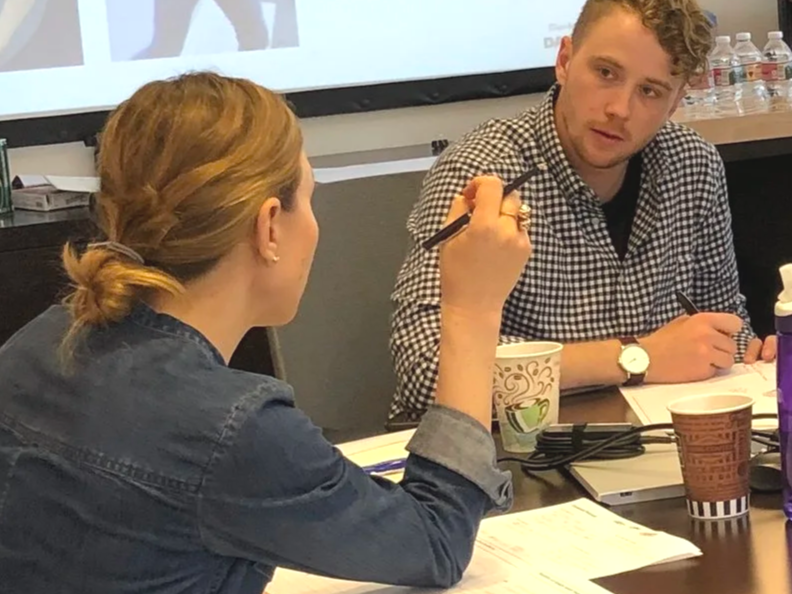
People:
Design Team Assessment & Leadership Development
-
Design organizations are frequently built over time rather than over structure. Roles accumulate, reporting lines blur, and the team that got a company to its current size isn't always the right team to take it further. This path starts with honest assessment: who is doing what, who should be doing what, and what structure gives the design function the best chance of performing against the business objectives, and the standing to be treated as a strategic partner rather than a service that takes orders. The work is diagnostic first, prescriptive second.
Result:
A design team built to deliver on the business, not just staffed to fill roles.
What you walk away with:
A clear picture of your design organization's current state: culture, capabilities, gaps, structural misalignments
A recommended team structure with defined roles and responsibilities
A hiring plan for identified gaps, or recommendations on what to source externally
Optionally, a leadership coaching engagement for designers stepping into management, or leaders navigating organizational complexity
Relevant if you're a: Startup building a design function for the first time. Mid-market brand whose team outgrew its original structure. PE-backed company assessing team capability before or after a deal.

Products:
Portfolio Strategy & Product Roadmap
-
We work from the consumer back, assessing roadmap strategies against rituals and user journeys, then provide guidance on what to keep, what to kill, and where to place your bets, ensuring the logic of the portfolio is coherent enough to brief against, build from, and defend to the business. When execution is needed, we do that too: brief to design intent, with the right team assembled and directed for the specific project. Every engagement is bespoke. The brief determines the team, the team determines the outcome, and the outcome is always tied back to the brand essence and the business objectives.
Result:
A portfolio with a clear logic: what to keep, what to kill, where to bet.
What you walk away with:
A portfolio audit: what's earning its place, what's redundant, what's missing
An annotated product roadmap with clear rationale for sequencing and investment level
Or, a fully documented design intent package: renderings, specifications, CMF callouts, and design rationale, ready to hand to engineering or a manufacturing partner
Relevant if you're a: Startup deciding what to build after MVP. Mid-market brand whose portfolio has drifted from its original vision. PE-backed company needing a defensible roadmap ahead of diligence or exit.
Principles:
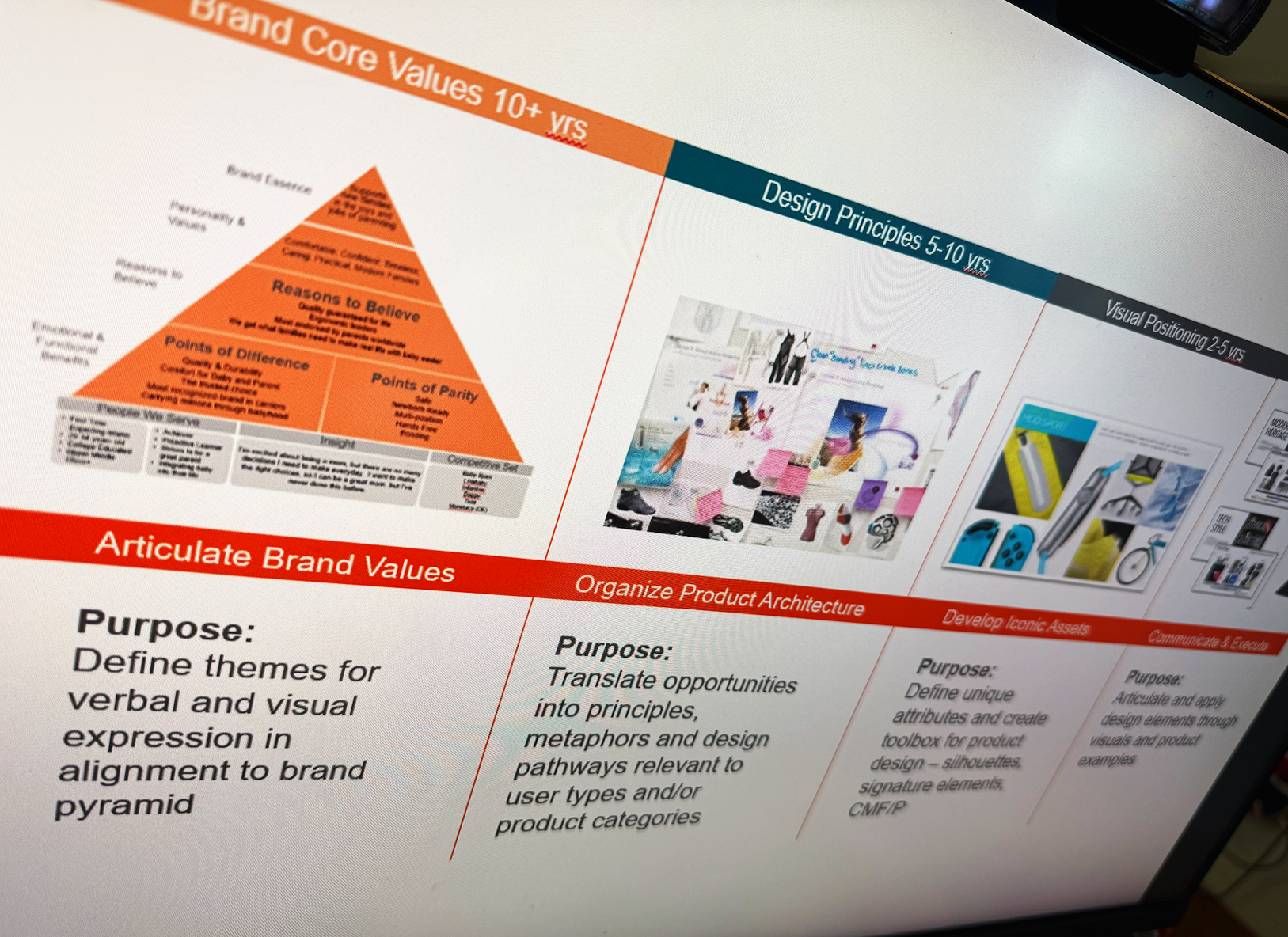
Design Language & Physical Brand Expression
-
The foundation for the brand expression of physical products is a clearly defined design language system: a living standard that governs how every future product looks, feels, and coheres, regardless of who builds it or where. It delivers value at the top line in brand impression and at the bottom line in design and manufacturing efficiency. Built once, it returns compounding value across every future product decision. This is where brand becomes tangible. Our job is translating verbal and emotional brand attributes into visual and physical form: the shapes, materials, proportions, textures, and details that make someone pick up a product and immediately feel the brand.
Result:
A design language every future product can be built from, whoever builds it.
What you walk away with:
A design language system: the visual and physical DNA of the brand, including form language, proportional logic, surface treatment philosophy, and detail and joinery principles
CMF strategy: color, material, and finish directions tiered across the product line
Application guidelines for in-house teams, external agencies, and sourcing partners
Or, a brand-product audit identifying where the existing portfolio reinforces the brand and where it undermines it
Relevant if you're a: Startup establishing brand-product coherence from day one. Mid-market brand whose products no longer feel connected to each other or to the brand. PE-backed company building brand equity ahead of a sale. Unsure where to start? Download the checklist here.
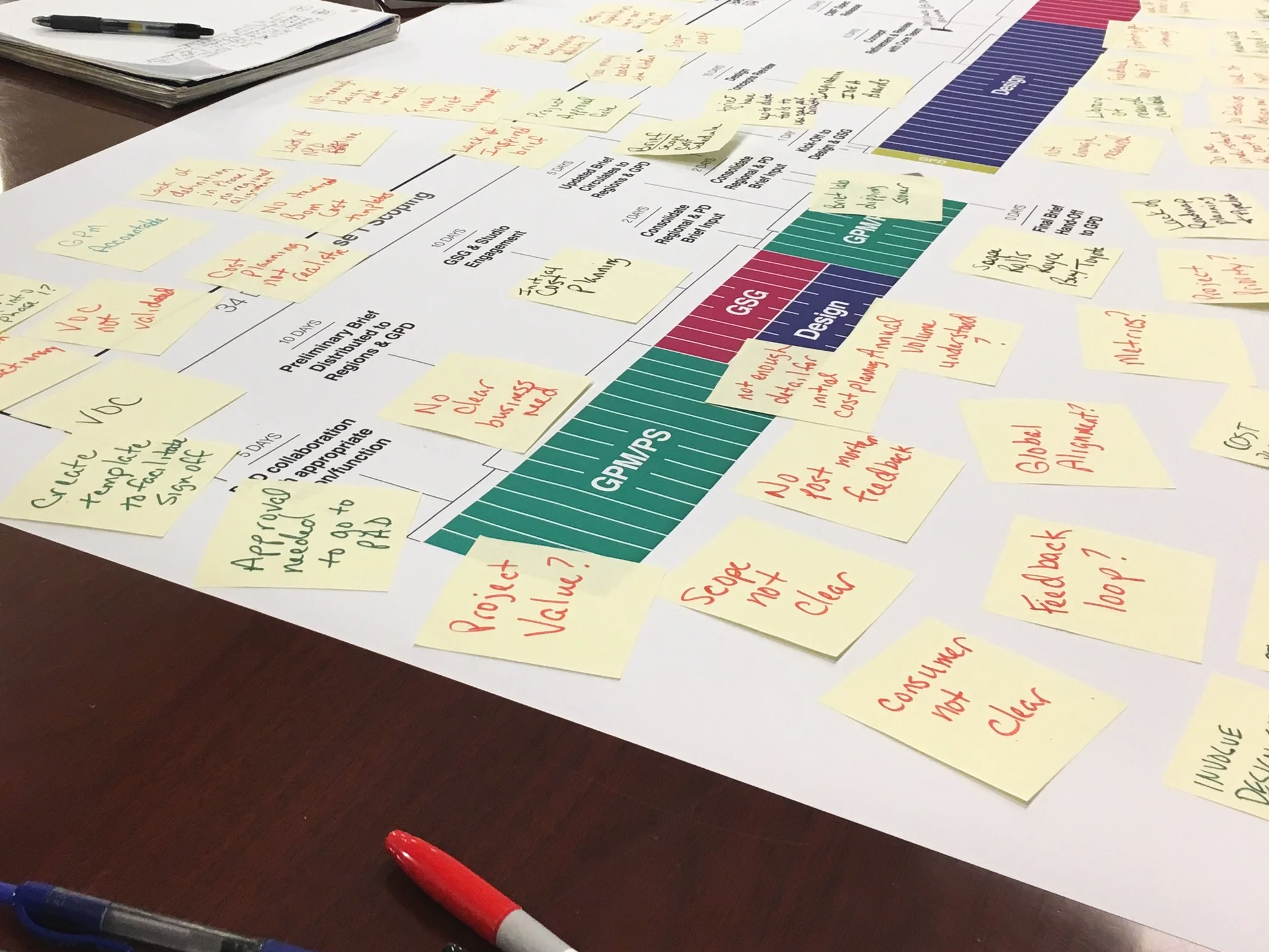
Processes:
Organizational Assessment & Alignment
-
When products underperform and people problems keep recurring, the root cause is almost always here: a misalignment between what the business needs and how the product function is actually operating. The work starts with understanding what the business is trying to achieve and whether the product organization is actually built to get there, looking at team structure, briefing processes, AI workflow integration, agency relationships, portfolio logic, and how decisions get made. Then fixing what's broken, in real time, alongside the people doing the work. The output isn't a recommendations deck. It's an organization that runs better after we've left.
Result:
A design function that runs better after we leave, not a deck that sits in a drawer.
What you walk away with:
A diagnostic report: findings, root cause analysis, and a prioritized action plan, typically 20 to 30 pages, presented to leadership and handed over as a working document
Or, a functioning process: brief templates, review frameworks, decision-making protocols, agency management structures, plus a transition document that captures what was built and how to maintain it
Ongoing implementation support if needed, to hold the organization accountable to the plan
Relevant if you're a: Startup setting up process before bad habits calcify. Mid-market brand where growth has outpaced how decisions get made. PE-backed company standardizing operations across a platform of acquisitions.

- People - Products - Principles - Processes
- People - Products - Principles - Processes
Our sweet spot is mid-market consumer product companies: global brands that have scaled their structures and portfolios, but haven't yet built the systems to match. We also work with startups building toward that stage, and PE-backed companies operating or acquiring within it. All three benefit from the same approach.
Who We Help:

You're trying to grow share. Are your teams all aligned to get you there?
Product portfolios get built over time, but not necessarily over vision. Products that made sense a decade ago may not reflect where the brand is today, and teams built around what existed rather than what was planned are usually the root cause. We help Design, Marketing and Product leaders, solve both operational and creative challenges: reevaluate the product portfolio, restore brand coherence, address process gaps and build an innovation pipeline for growth.
Mid-Market Consumer Brand Leaders

You're moving fast. Is what you're creating built to last?
We’re the Chief Design Officer you’re not ready to hire. We help you reach MVP and iterate toward a credible product portfolio, making structural decisions now that compound in your favor instead of requiring expensive unwinding later. We can serve as your fractional product design leader as you get your infrastructure built. How you build, brief, and manage product today sets the DNA for everything that follows, including how ready you look to the investors deciding whether to fund what's next.
Start-Up Founders
Your sale horizon is fixed. Is your product organization ready for it?
We work with PE-backed operating teams before a sale, to rationalize the portfolio and tighten operational efficiency in ways that increase speed and valuation - and after an acquisition, to build the credible product roadmap that supports the next exit. The product design function is the last place anyone looks to fix (and the first place value gets left on the table). It shouldn't be.
Private Equity Partners
Case Studies
-
![]()
Ergobaby Metro3: Design Language Strategy
After 5 years of growth in the adjacent stroller category, the Metro3 would become the new hero SKU while also establishing the new design language for efficient, brand-driven expansion into other “wheeled” products. The result, a flagship redesign that doubled category revenue and earned the brand's first Red Dot Award, kicking off a run of 100+ international awards in three years.
-
![]()
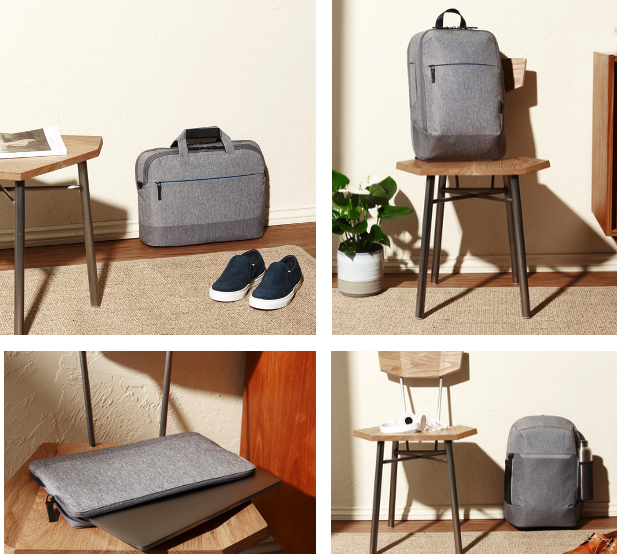
Targus: City Lite Design Strategy
As a brand largely focused on traditional customers and channels, Targus had been steadily losing younger consumers. Millennial and GenZ weren’t buying based on price, performance and features, they wanted something that looked good AND covered the table-stakes criteria the brand had been built-on. The resulting City Lite collection expanded global customer reach in both retail and B2B channels while the design language reduced time to market by 20%.
-
![]()
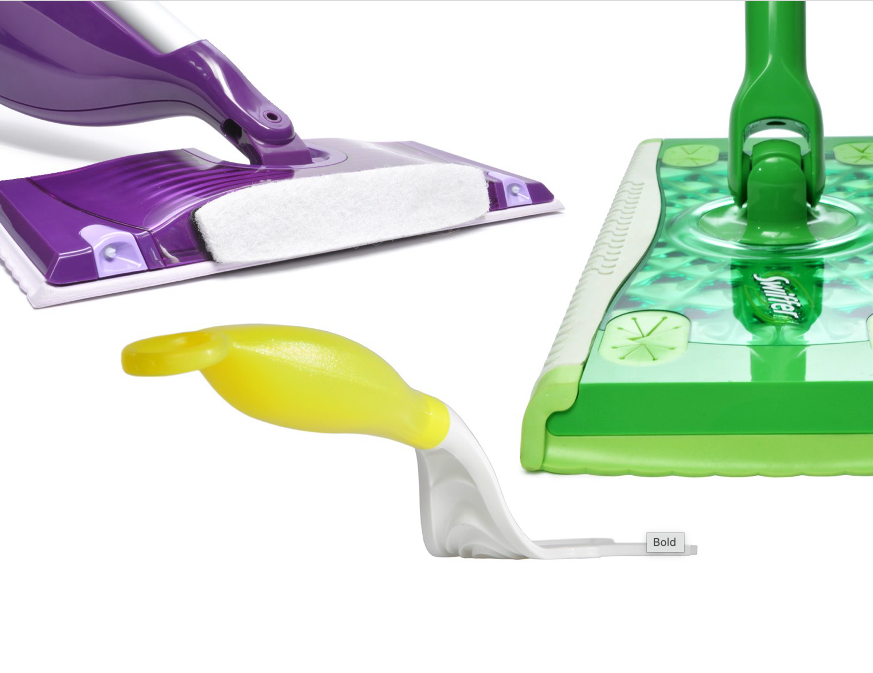
P&G Swiffer: Design Language Strategy
Crossing the billion-dollar mark didn’t mean resting on laurels for this global darling. Swiffer quickly became a relied upon homecare brand and with that, came the research supporting growth in other hard surface care spaces. The problem was the possibility of a disparate portfolio and losing soul of the brand in the home. Leaning into our philosophy of “life-space integration”, we created an updated design language system for the brand which unified the products while providing differentiation to the growing product family.

Who We Are:
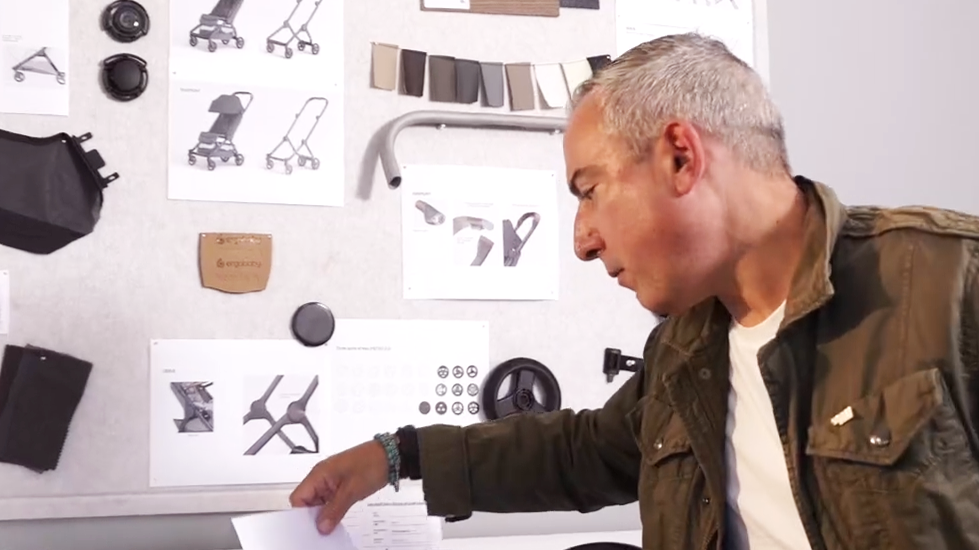
Demetrius Romanos: Founder & Chief Strategist
Demetrius Romanos is a global design leader with three decades of experience at the intersection of brand, product, and business. In every role, his job was the same: translate business objectives into design direction, and design's value back to the business, closing that gap from the inside. He's led teams that have launched hundreds of physical products for some of the world's most recognized consumer brands.
As SVP of Design, Product Development and Creative Services at Ergobaby, he cut time-to-market by 20% and led a flagship product redesign that doubled category revenue and earned the brand's first Red Dot Award, part of a run of 100+ international design and industry awards in three years.
As VP of Global Design & Innovation and Product Management at Targus, he led a $200M+ product portfolio across a global team of 40, introduced design language systems that reduced development time by 30%, and built partnerships with Dell, HP, Samsung, IKEA, and Lenovo.
Earlier in his career, he spent a dozen years scaling design consultancies, leading major client work with P&G, Johnson & Johnson, Motorola, Whirlpool, JP Morgan Chase, Fendi, and Corningware, among others.
His work spans hardgoods and softgoods, consumer electronics, appliances, home and lifestyle, baby and juvenile products, and CPG. It has earned Red Dot, iF, IDEA, and Good Design recognition, inclusion in the Cooper Hewitt Design Museum's inaugural Design Triennial, a feature on Netflix's America by Design, and over 20 patents.
He has also participated in the private equity sale process of two companies, giving him direct, firsthand experience with the questions PE operators and investors ask about a product organization's real value.
The way Outsight works is something Demetrius learned early. Years ago, trying to get his firm into Procter & Gamble, the team finally got its shot: a handful of concept sketches for a bar of soap. Sure, it was a small project but they treated it like it mattered. That project turned into another, and over the years that followed the relationship grew into one of the firm's largest. The lesson stuck: Start with something real, do it exceptionally well, and let the work earn what comes next. That's still how we begin.
Demetrius founded Outsight Design Group to do what he does best, now from the outside: zoom out, diagnose what's actually breaking, and help companies build the teams, systems, and design standards that fix it.
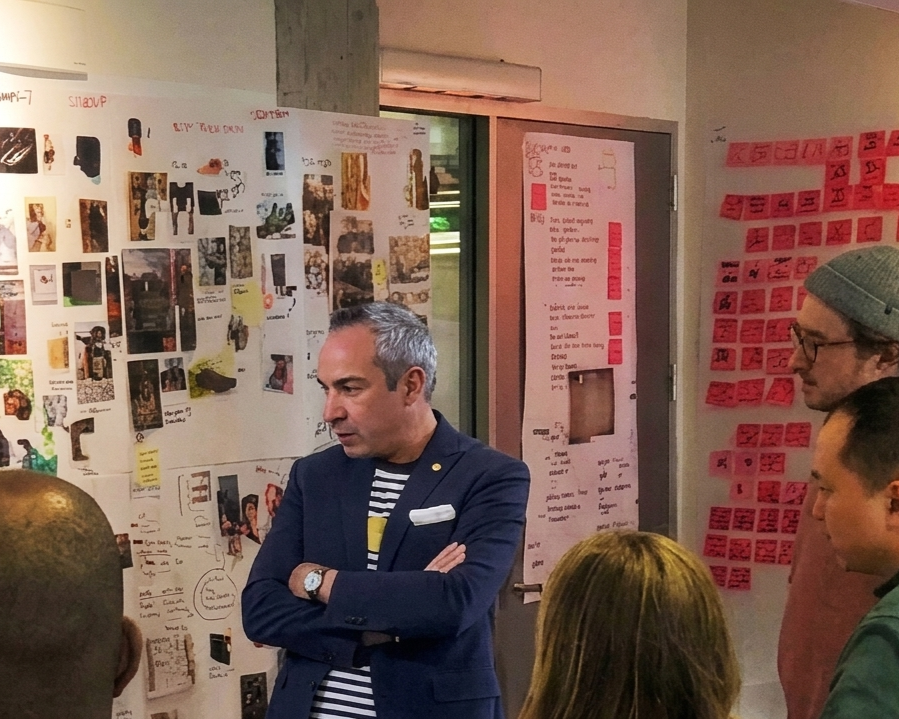
Outsight Design Group operates on a simple principle: every engagement is different, and the team behind it should be too. Rather than maintaining a fixed roster of full-time staff, we build bespoke teams around each client's specific needs - drawing from a deep network of industrial designers, CMF specialists, strategists, engineers, researchers, and creative partners developed over three decades of agency and corporate work. No generalists stretched thin. Just the right expertise, precisely applied to the problem at hand.
Our Team:
4.5+
Ratings on dozens of launched products
What We’ve Delivered:
20%+
Reduced time to market
100+
Global industry awards
20+
Patents
Past Partners:
In their words…
Your Questions, Answered:
Every engagement is led by Demetrius Romanos directly. You're not getting a senior pitch followed by a junior team doing the work. However, Outsight operates as a network practice, which means the right specialists are assembled around each engagement depending on what the job actually requires. You get senior leadership drawn from a network built over categories and decades with zero agency bull$#it. We strive to be the firm we wish we could have worked with when we were on your side of the table.
Is Outsight a one-person shop?
What kinds of problems do you get called in for?
Usually some mix of issues: new products that keep launching without a clear read on whether they build the brand or dilute it, product development that starts from scratch every time, cost decisions made without weighing the customer experience, a design team treated as an order-taker rather than a partner, or a design function that can't seem to communicate its value to business leadership. Rarely just one. When several show up together, it usually means nobody owns the space between design and the business. That's our space
We already have an internal design team. Why would we need Outsight?
An internal team and Outsight aren't either/or. Most engagements work alongside existing teams rather than replacing them. What we bring is the outside perspective: the ability to see what's hardest to see from inside the organization, combined with senior design leadership that most internal teams don't have consistent access to. The goal is always to leave the internal team stronger than we found it.
How are engagements structured and how long do they typically run?
Every engagement is scoped around what the work actually requires, not a pre-packaged service menu. Some are project-based with a clear deliverable and endpoint, typically running four to twelve weeks. Others are longer embedded engagements where the work is ongoing and evolving. Pricing reflects the scope of each engagement and is discussed directly in our first conversation.
Do you work with companies outside California?
Absolutely. Outsight is based in Long Beach, California, but our work is national and international. Physical product development doesn't happen in one place. Suppliers are in Asia, teams are distributed, and the best client conversations happen wherever the work is. Demetrius has spent his career working across North America, Europe, and Asia and is comfortable working on-site, remotely, or a combination of both depending on what the engagement requires.
What does a physical product design consultant actually do?
Diagnose, then fix. We figure out why your physical product organization isn't performing, then work in whichever combination of team structure, product strategy, design standards, or process actually needs it. Sometimes that means hands-on design work. More often it means fixing what's broken underneath it, so the team you already have can do their best work in the right direction.
What is a design language system, and do we need one?
A design language system is the set of rules, attributes, principles and design details that make every product you ship unmistakably yours. If your products don't feel connected to each other or to your brand, or if every new SKU starts from scratch, you probably need one. It's one of the highest-leverage documents a physical product company can commission, and one of the least common to actually have.
How is Outsight different from a fractional Chief Design Officer?
Most fractional design leadership is built for software: digital product teams, UX systems, SaaS roadmaps. Outsight is built for physical product companies specifically, where the stakes (tooling, inventory, manufacturing commitments) are different, and less forgiving than a bad screen that gets patched overnight. We’ll leverage our years spent inside physical product organizations and help shape the diagnosis - then fix it.
We're a PE-backed company preparing for exit. How does Outsight fit in?
Before a sale, we work with operating teams to evaluate the product team, rationalize the portfolio and tighten operational efficiency in ways that support valuation. After an acquisition, we help build the credible product roadmap that sets up the next exit. The product function is usually the last place anyone looks for value. It shouldn't be.
What industries or product categories has Outsight worked in?
Across consumer electronics, home and kitchen goods, personal care, juvenile products, automotive, and consumer packaged goods, with brands like Dell, KitchenAid, Ergobaby, IKEA, and P&G. The range goes beyond retail-shelf products, too. Designing the ATM and system-wide design language for Diebold is a good example of how the same diagnostic approach applies to specialized hardware, not just consumer goods.
Let's Talk
How it starts.
Every engagement begins with a conversation. Not a pitch. A real discussion about what's working, what isn't, and what the business needs. From there, the right engagement structure becomes clear.
Some clients come in knowing exactly which path they need. Others know something is wrong but aren't sure where to start. Both are fine starting points. The outside perspective is useful precisely because it isn't shaped by the assumptions already inside the organization.
Whether you have a specific project in mind, a problem you can't quite articulate yet, or you just want to understand if there's a fit, the conversation is worth having. No pitch, no pressure. Just a real discussion about what you're working on.
What to expect.
You'll hear back within one business day. We'll set up a short call, usually 30 to 45 minutes, to talk through what you're working on and whether there's a fit. If there is, we'll discuss NDAs and what an engagement might look like. If there isn't, you'll leave with a clearer picture of what you actually need.